Grimguard Tactics: Fantasy RPG
- 4.6
- Rating
- 1.00M
- Installs
- Free
- Price

 Analysis by App-foxy
Grimguard Tactics: Fantasy RPG is the kind of strategy game I would suggest to someone who enjoys building a small team, thinking through each turn, and gradually making progress rather than rushing through disposable battles. After spending time with it, I found that its appeal comes from the combination of fantasy atmosphere, squad decisions, and the satisfaction of turning a difficult encounter into a manageable one. It is free to start, but it also includes optional purchases ranging from $0.99 to $199.99 per item, so I recommend approaching it as a game to enjoy at your own pace rather than as a race to collect everything immediately.
Developed by Outerdawn Limited, the game sits firmly in the strategy category while using role-playing progression to give each victory more weight. The store summary presents heroes and large-scale tactical battles, but what matters in practice is how much attention you give to preparation. The strongest moments are not always the most dramatic ones. Often, they come from choosing the right formation, protecting a vulnerable character, or saving an important ability until the enemy is positioned badly.
Starting Grimguard Tactics without feeling lost
I found the opening easier to approach once I stopped treating every new character or upgrade as an urgent decision. This section looks at how to read the game’s choices, settle on a practical first plan, and make early battles feel like lessons rather than tests you must pass perfectly. A little patience at the start also makes it easier to judge which risks are worth taking as the fights grow more demanding.
You May Also Like

 Blood Strike: 2.5 Anniversary
Blood Strike’s Loadouts Turn Every Drop Into a Tactical Gamble
A close look at Blood Strike’s custom loadouts: how fast access to signature weapons reshapes its battle royale rhythm, rewards preparation, and narrows the gap between fights.

 Pandora - Music & Podcasts
Pandora’s Music Is Easy to Start, but Harder to Recover
Pandora’s strength is its low-effort path from a seed to a station. Its weak spot is how much confidence it asks you to place in connection, setup, and quiet recovery.

 8 Ball Pool
 Is Built on Rivalries, Rematches, and Routine
A close look at the rivalries, rematches, shared routines, and unanswered safety questions that turn a quick pool match into a persistent mobile community.

 Samsung Music
’s Quiet Strength Is Playing What You Already Own
Its reach comes less from spectacle than from dependable access to a personal library. That simplicity is both the app’s strongest retention engine and its ceiling.

 AccuWeather: Weather Radar
AccuWeather Review: A Quick, Clear Forecast for Everyday Decisions
For everyday plans, the best forecast is the one you can understand quickly. AccuWeather makes rain timing, radar, and local conditions easy to act on, with a few trade-offs.

 Hill Climb Racing
Why Hill Climb Racing Still Turns Crashes Into One More Run
A tiny car, a bumpy hill and one more upgrade: Hill Climb Racing keeps resurfacing because its simple chaos makes every near-miss feel personal.
More From Our News Desk



What the first session feels like
My first impression was that this is not designed as a completely hands-off game. You can make progress without treating every encounter like a puzzle competition, but the game rewards players who look beyond simple power levels. A stronger squad helps, yet it does not replace sensible decisions. That makes the opening more interesting than a typical fantasy game where the only answer is to upgrade until the next stage becomes easy.
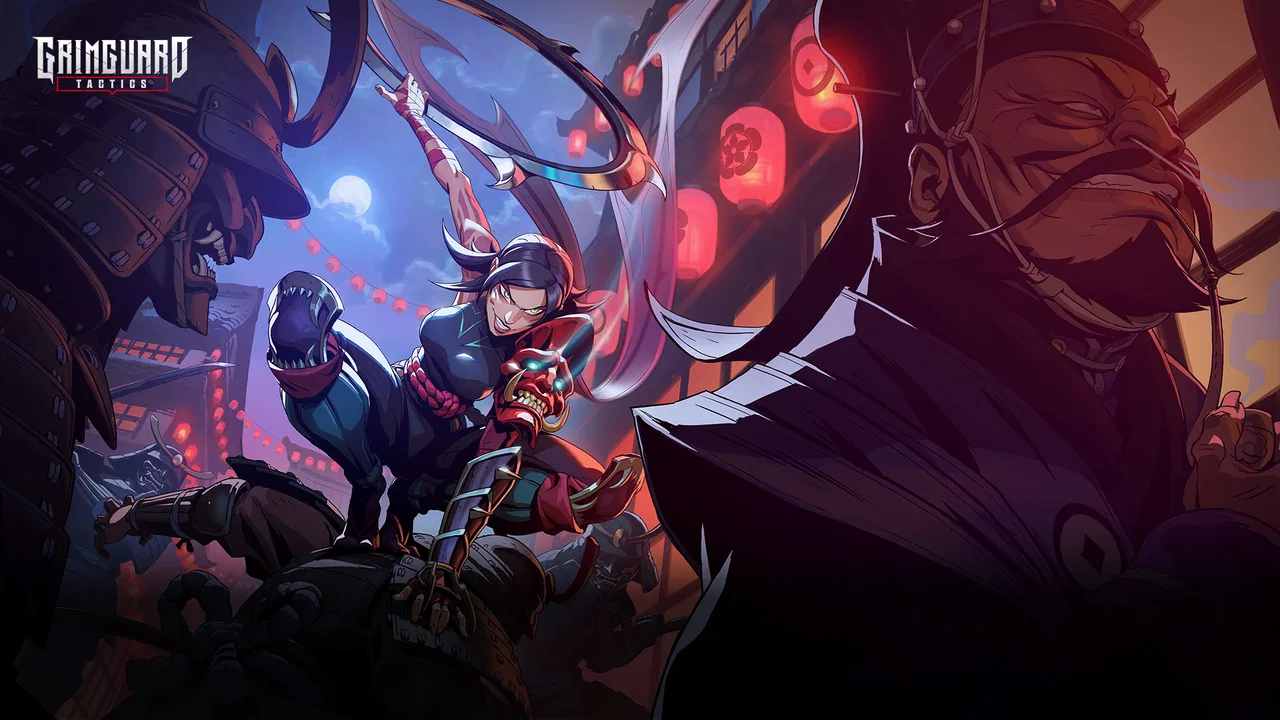
The presentation also gives the experience a darker fantasy identity. It is not a cheerful collection of disconnected battles. The setting and character presentation encourage you to think of your group as a team operating in a dangerous world. That tone helps the progression feel connected, especially when a new hero or improvement changes how I approach the next fight instead of merely adding a larger number to the screen.
The game is rated Teen, which is useful to keep in mind before installing it for a younger player. It is also a relatively accessible Android release: the minimum operating system is Android 7.1. The current version is 1.28.1, and the game has already passed one million installs, while its average rating is around 4.6 from roughly 31 thousand ratings. Those figures suggest a well-established player base, but they do not remove the need to decide whether its pacing and purchase model suit you.
Setting up your first team
The most helpful way to begin is to treat the opening roster as a learning tool rather than trying to identify a perfect long-term team immediately. I paid attention to what each character could contribute: who could absorb pressure, who could deal reliable damage, and who could support the group when a fight started to go wrong. This simple division made the early battles easier to read.
One mistake new players can make is spreading attention across every available character. That feels productive because the roster keeps growing, but it can leave the main group underdeveloped. I had better results by choosing a core team for regular battles and improving it consistently, while keeping other characters in mind for situations where their particular strengths might matter. This is one of the first important trade-offs: variety is useful, but unfocused investment slows down your most dependable lineup.
I also recommend checking the battlefield before committing to an action. The temptation is to select the most obvious attack immediately, especially when an enemy looks close to defeat. A better habit is to ask what the next enemy turn might look like. Finishing one opponent can be valuable, but repositioning, defending, or preparing a stronger sequence may prevent more damage over the full encounter.
The first meaningful success
The first victory that felt genuinely satisfying was not simply the one where my team survived. It was the point at which I stopped reacting character by character and started planning the whole round. I watched which enemy posed the greatest threat, considered whether my damage dealers were exposed, and used a safer action when an aggressive move would have left the team vulnerable.
That change in mindset is the clearest beginner tip I can offer: win the turn after this one, not just the turn currently on screen. In a tactical role-playing game, an apparently weaker move can be the correct move if it creates a better position for the next exchange. This is especially useful when several enemies have different roles. Removing a minor threat may be less important than stopping the opponent that can disrupt your formation or punish a weakened hero.
When a battle goes badly, I would not immediately assume that the squad is too weak. Try changing the order of actions first. Use a defensive option earlier, focus attacks on a single target, or avoid spending a valuable ability on an enemy that can be handled with ordinary attacks. This approach saves resources and teaches you more than repeatedly entering the same fight with the same plan.
Confusion that can slow down new players
The game can feel more complicated than expected because progress is spread across several decisions: team selection, character improvement, combat choices, and the timing of stronger abilities. A newcomer may see many possible upgrades and assume that every one deserves immediate attention. In my experience, that is where the early game becomes unnecessarily messy.
I found it easier to use a short priority list. First, keep the team you actually use in good shape. Second, improve the character who most often determines whether a battle succeeds or fails. Third, only then experiment with less familiar heroes. This does not mean ignoring the rest of the roster; it simply prevents resources from being diluted before you understand what each member contributes.
Another common misunderstanding is expecting every fight to be won through damage alone. A tactical battle can turn against you because of positioning, timing, or an unprotected character even when your squad has enough offensive strength. If an encounter repeatedly defeats the same hero, I would look at that hero’s placement and the order of actions before spending heavily on upgrades.
The purchase system is another point worth considering early. The game is free to download, but optional in-app items can cost from $0.99 up to $199.99 each. I would switch off impulsive buying habits before playing and decide what kind of experience I want: a patient progression game, or a faster route through collection and upgrades. The former is easier to recommend to most people because it keeps the focus on learning the battles rather than treating every obstacle as a reason to spend.
How the game fits into everyday play
A realistic use case is a short evening session after work or school. I might have enough time for a few encounters, some roster management, and a quick attempt at a troublesome stage without committing to a long uninterrupted sitting. That works well because the game’s appeal is based on a series of decisions rather than on needing to complete an enormous session in one go.
It also suits the player who likes to pause mentally between actions. If you prefer games where you can think about your next move, compare risks, and adjust a team over time, the format has a lot to offer. I would be less likely to recommend it to someone who wants instant action, constant movement, or a simple loop that can be played without reading abilities and considering consequences.
Compared with a straightforward fantasy battler, this game asks more from the player than tapping the largest attack whenever it becomes available. Compared with a traditional strategy title, it is more approachable because the role-playing structure gives you a clear sense of character growth and team development. The trade-off is that players seeking a completely open-ended tactical sandbox may find the progression more guided than they would like.
Small habits that improve the experience
I developed a few habits that made a noticeable difference. Before a battle, I looked for the enemy that could cause the biggest problem if left alone, rather than automatically targeting the weakest opponent. This often made the encounter safer even when the first attack did not produce the largest visible damage number.
I also avoided changing the whole team after one defeat. Replacing everyone makes it difficult to learn what went wrong. Instead, I changed one element at a time: a different frontline choice, a new attack order, or a more defensive approach. That method turns failure into useful information and helps reveal whether the problem is team composition or decision-making.
A third useful habit is saving important abilities for moments that change the battle. Using every strong option as soon as it is available can make the opening look impressive while leaving the team helpless later. I had more consistent results when I treated powerful actions as answers to specific threats rather than as routine buttons.
Finally, I kept a small mental note of which characters worked well together. A hero who looks average in isolation may become valuable when paired with a character that protects, supports, or creates a better opportunity for attacks. This is a more rewarding way to explore the roster than judging everyone only by individual damage output.
Who should play and who should skip it
I think Grimguard Tactics is a good match for players who enjoy fantasy teams, gradual improvement, and battles where preparation matters. It is particularly suitable if you like the feeling of learning an opponent’s pattern and then returning with a smarter plan. The combination of strategy and role-playing progression gives victories a sense of continuity: you are not only clearing another stage, you are refining the way your group functions.
I would be cautious about recommending it to someone who dislikes repeated attempts. Tactical games often require you to revisit a battle with a different approach, and this one is more satisfying when you accept that process. It may also be a poor fit if you want a completely purchase-free experience or if the sight of expensive optional items makes you uncomfortable, even when you do not need to buy them.
Players who prefer very relaxed, automatic combat may also find the decision-making more demanding than expected. The game can be approachable, but it does not become completely mindless. If your ideal mobile game is something you can play while barely looking at the screen, a simpler alternative would probably suit you better.
What to do after the opening victories
Once the first successful battles start to feel reliable, I would resist the urge to chase every available improvement at once. Choose a clear goal for the next stretch: strengthen the main team, understand a less familiar hero, or solve a particular type of encounter. A focused goal keeps the progression from becoming a collection of disconnected chores.
This is also the right time to test whether your team has a real plan. Can it survive when the first attack does not go perfectly? Can it deal with a dangerous enemy without exhausting every strong ability? Can your least durable member stay useful instead of becoming a constant liability? These questions reveal more than simply asking whether the squad has enough power.
If you reach a wall, take a short break rather than spending immediately. Return with a different formation or action order, and compare the result. In my experience, this game is at its best when a solution comes from understanding the encounter. Spending can accelerate progress, but it cannot replace the satisfaction of discovering why a battle was failing.
My recommendation after playing
Grimguard Tactics: Fantasy RPG earns its place on my strategy-game shortlist because it gives ordinary mobile sessions a useful sense of purpose. I enjoyed the moments when a careful decision mattered more than a quick tap, and I appreciated that character growth encouraged me to think about team identity rather than only individual strength.
It is not a perfect recommendation for everyone. The learning curve can feel busy, the progression asks for patience, and the broad range of optional purchase prices means that players should set their own boundaries. Still, if you enjoy fantasy role-playing games with tactical battles and want a free starting point that rewards attention, I think it is worth trying. Install it expecting to learn your team gradually, protect your resources, and treat the first defeat as information rather than failure. That approach brings out the best in the game.
My final advice is simple: build around a dependable core, study the most dangerous enemy before acting, and save your strongest options for the moment they can change the result. With those habits, the opening hours feel much more reassuring, and the game’s central appeal becomes clear. It is a strategy RPG for players who want their victories to feel earned.
FAQs for Grimguard Tactics: Fantasy RPG
01What is Grimguard Tactics: Fantasy RPG?
Grimguard Tactics: Fantasy RPG is a dark fantasy strategy game built around turn-based tactical battles, hero collection, and kingdom management. You assemble a team of heroes with different classes and abilities, position them carefully on the battlefield, and fight enemies across a world threatened by corruption. Between missions, you can upgrade characters, improve your town, unlock equipment, and prepare for more difficult encounters.
02Is Grimguard Tactics: Fantasy RPG free to play?
Yes, Grimguard Tactics: Fantasy RPG can be downloaded and played for free, although it includes optional in-app purchases. These purchases may provide resources, summoning opportunities, upgrade materials, or other conveniences, but progression still depends heavily on team composition, tactical decisions, and consistent play. Players who prefer not to spend money should expect slower access to some heroes and upgrades, especially during later content.
03Does the game require an internet connection?
An internet connection is generally required for the main Grimguard Tactics experience because the game connects to online services for account data, events, rewards, purchases, and progression. This means it is not designed as a fully offline RPG. A stable connection is particularly important when entering battles, claiming limited-time rewards, or switching between devices, since interrupted connectivity can affect loading and synchronization.
04Is Grimguard Tactics suitable for beginners in strategy games?
The game is accessible to beginners because it introduces combat rules, hero abilities, upgrades, and team-building gradually. However, it becomes more demanding as enemies gain stronger defenses and more specialized abilities. New players should learn to exploit class strengths, control turn order, use skills at the right moment, and avoid spending valuable resources too quickly. Patience is important because building a reliable roster takes time.
05What devices can run Grimguard Tactics: Fantasy RPG?
Grimguard Tactics: Fantasy RPG is available for compatible Android and iOS devices, but the exact requirements may vary depending on the operating system version and the device model. Because it features animated battles, detailed character artwork, online content, and frequent data loading, older phones may experience longer loading times, reduced performance, or limited storage space. Checking the current store listing before downloading is recommended.
Pros
- Deep turn-based battles reward careful positioning and team planning.
- Dark fantasy artwork gives the game a distinctive and atmospheric identity.
- Many heroes offer varied roles
- skills
- and squad combinations.
- Regular missions provide clear short-term goals and progression rewards.
- Playable in brief sessions
- making it suitable for mobile gaming.
Cons
- Energy limits can interrupt longer play sessions.
- Gacha-style hero recruitment may require patience or spending.
- Some upgrades take a long time without premium resources.
- The interface can feel crowded for new players at first.
- Repeating stages may become necessary to strengthen weaker heroes.

Grimguard Tactics: Fantasy RPG
Gallery